
How to Choose the Best IPL Machine for Your Clinic or Aesthetic Practice
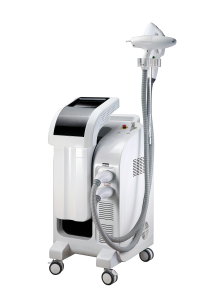
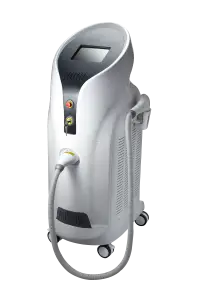
Selecting the right IPL machine for clinic use is a significant capital investment that directly impacts treatment outcomes, client safety, and long-term profitability.
Unlike consumer devices, professional IPL systems must meet higher clinical standards, deliver consistent performance, and be suitable for a broader range of skin types and treatment indications.
This guide outlines the essential technical, clinical, and commercial factors to consider before purchasing an IPL device for your salon, aesthetic clinic, or medical practice.
What Is a Professional IPL Machine?
A professional IPL (Intense Pulsed Light) machine is a medical or aesthetic device designed for high-frequency, clinic-based treatments such as:
- Permanent hair reduction
- Pigmentation correction
- Vascular lesion treatment
- Skin rejuvenation and collagen stimulation
Unlike at-home devices, professional IPL systems deliver higher energy output, offer advanced parameter control, and are designed for repeated daily clinical use.
IPL vs Laser in a Clinical Setting
In a professional environment, both IPL and laser systems are used, but they serve different roles.
- IPL systems: Broad-spectrum, versatile, cost-effective, suitable for multiple indications
- Laser systems: Single wavelength, highly precise, often higher capital cost
IPL remains a strong choice for clinics looking to offer multiple treatment types with a single device.
Key Factors When Choosing an IPL Machine for Clinic Use
When evaluating IPL equipment for a professional practice, technical specifications and clinical safety features are critical.
- Energy Output (Fluence Range)
Fluence determines treatment strength and clinical effectiveness, measured in J/cm².
For professional IPL systems:
- Typically range: 10–40+ J/cm²
- Higher fluence enables faster, more effective hair reduction
- Must be adjustable for different skin types and treatment areas
A quality clinic device should offer precise incremental control, not just preset levels.
- Wavelength Filtering System
Professional IPL devices must include interchangeable or adjustable filters to target different chromophores.
Typical clinical ranges include:
- 500–600nm: vascular lesions and pigmentation
- 600–950nm: hair removal
- 950–1200nm: deeper tissue heating and skin tightening
A robust filter system increases treatment versatility and ROI per device.
- Skin Type Safety (Fitzpatrick Compatibility)
In a clinical environment, safe treatment across multiple Fitzpatrick skin types is essential.
- Type I–III: standard IPL protocols
- Type IV: requires modified settings and cooling
- Type V–VI: requires advanced systems with high-end safety controls or may require alternative laser platforms
Look for:
- Integrated skin detection systems
- Real-time energy adjustment
- Operator-controlled parameter locking
- Pulse Structure and Timing Control
Pulse configuration is critical for both safety and efficacy.
Advanced IPL machines should offer:
- Single pulse mode
- Multi-pulse (stacked) delivery
- Adjustable pulse duration and delay
This allows clinicians to tailor treatments for:
- coarse vs fine hair
- vascular lesions
- darker skin tones
- Cooling System (Non-Negotiable in Clinics)
Cooling is essential for patient safety and comfort.
Professional IPL machines typically use:
- Contact cooling (sapphire or metal tip)
- Integrated TEC cooling systems
- Air or cryogen-assisted cooling (high-end systems)
Effective cooling:
- reduces epidermal heat injury
- improves patient comfort
- allows higher fluence usage safely
- Treatment Speed and Spot Size
Clinic profitability depends heavily on treatment efficiency.
- Large spot size = faster full-body treatments
- Smaller heads = precision facial work
High-end IPL systems offer interchangeable applicators to maximise throughput.
- Flash Lamp Lifespan and Maintenance Costs
This directly affects long-term operating costs.
Typical ranges:
- Entry-level professional IPL: 100,000–500,000 flashes
- High-end systems: 1 million+ flashes or replaceable lamp modules
Always calculate:
- cost per flash
- replacement lamp pricing
- downtime during servicing
- Certifications and Regulatory Compliance
This is critical for legal and clinical safety.
Your IPL machine should carry:
- CE Medical certification (preferred)
- FDA clearance (if applicable)
- Local regulatory compliance (e.g., SAHPRA alignment in South Africa where relevant)
Avoid devices with unclear or cosmetic-only certification.
Return on Investment (ROI) Considerations
A professional IPL machine should be evaluated not only clinically but commercially.
Key ROI factors include:
- Treatment time per client
- Cost per session pricing model
- Versatility across multiple treatments
- Maintenance and consumable costs
- Expected client volume per day
A well-chosen IPL system can typically:
- pay itself off within months in a busy clinic
- generate multiple revenue streams from a single device
Red Flags When Buying an IPL Machine for Clinic Use
Avoid devices that:
- Do not specify fluence or wavelength ranges
- Lack medical-grade certification
- Offer unlimited claims without clinical data
- Have no cooling system or safety mechanism
- Do not provide servicing, training, or technical support
- Are significantly underpriced compared to market standards
In professional equipment, low cost often equals high long-term risk.
Final Recommendation for Clinics and Aesthetic Practices
When selecting an IPL machine for your clinic or salon, prioritise:
- Clinical safety features over marketing claims
- Adjustable and precise energy control
- Strong cooling systems for patient safety
- Certification and regulatory compliance
- Long-term serviceability and lamp lifespan
The right IPL system should function as both a treatment platform and a revenue-generating asset within your practice.